
Your Brain on Awe
Why feeling less self-importance is important for your wellbeing.

Have you ever looked out at the ocean, stood at the base of a giant mountain, or stared into a starry sky and felt a sense of being put in your place - that “place” being a tiny spec at a brief point in time in a vast, infinite universe? I am guessing you have, me too. This is awe. According to Dacher Keltner, a professor of Psychology at UC Berkley,
“Awe is the feeling of being in the presence of something vast that transcends your current understanding of the world.”
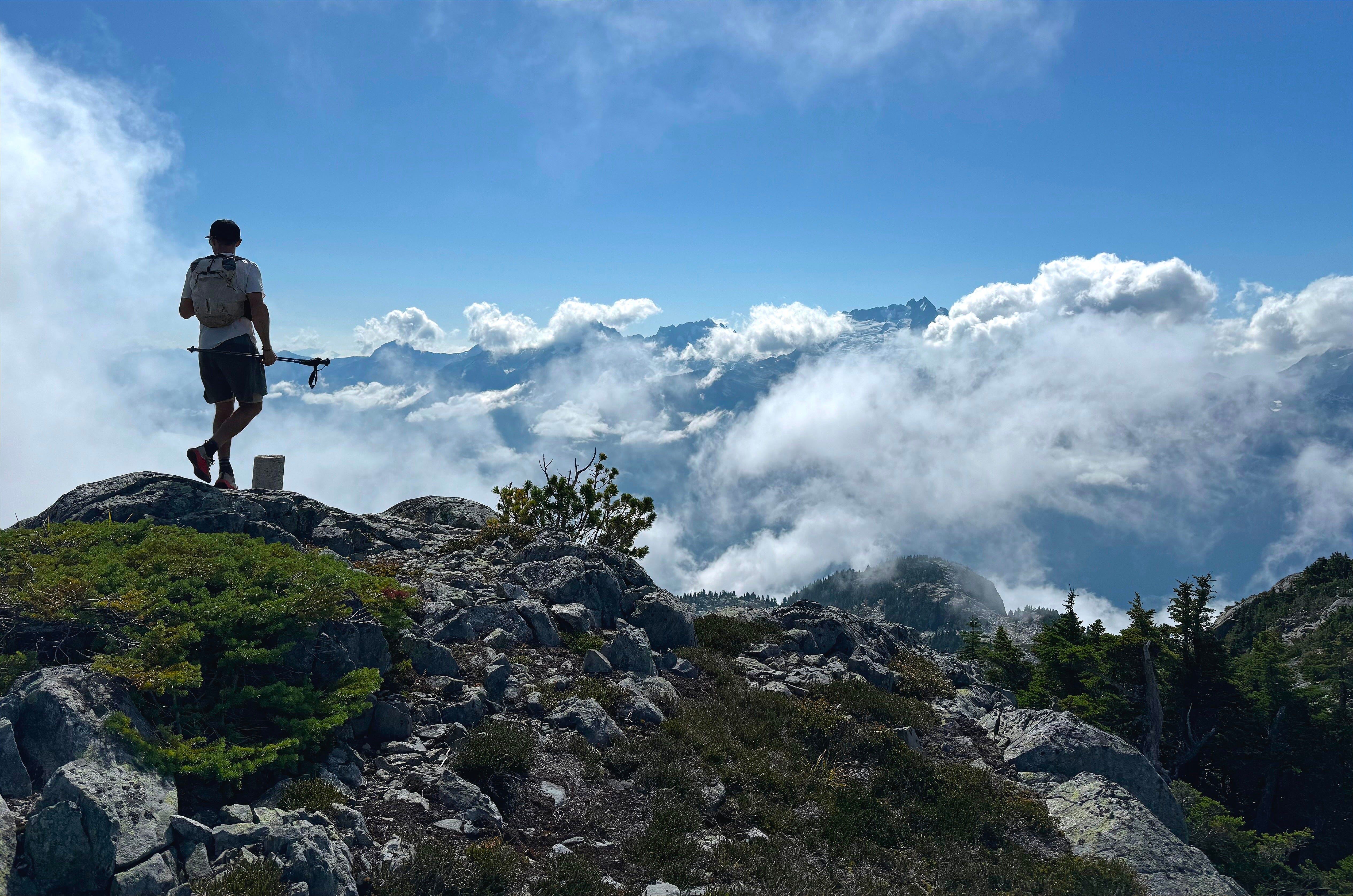
This feeling of awe, as I have come to realize, is a major driver for why I moved to the west coast of Canada. I love the way I feel here. The vast geography connects me, in a deep, visceral way, to something much, much bigger. It can be overwhelming at times, even terrifying (have you ever moved along a razor-sharp mountain ridge with no sign of civilization as far as your eyes can see in every direction?), but it can also feel like a relief and comfort to feel small and insignificant in a vast world, like a weight has been lifted off my shoulders. Setting down the burden of being “the centre of the universe” can be quite peaceful.
Don’t get me wrong, I am aware I’m not the actual centre of the universe (just in case you thought I was delusional or an extreme narcissist), but I think we can all relate to that feeling of needing to prove ourselves in the world - like if we don’t accomplish “x” then “the people” will notice or be let down. Sometimes the people are real people we know, sometimes the people are nameless masses, and sometimes the people are really the person and the person is us. Or, a part of us - our pride, ego, inner self critic. That pressure we feel to race well, to self-promote, curate and optimize our online image, to hold it together as a parent, business professional, healthcare provider - we are the main character in our own story and it’s exhausting carrying that weight of self-importance on a regular basis.
And, it’s not that we don’t matter, we do, and self-promotion has it’s place in survival and competitive drive. If you don’t have a distinct sense of self and caring for that self then that can be unhealthy in other ways - loss of motivation, personal identity, poor boundaries and all the challenges that come with not knowing where you end, and the rest of the world begins. From a basic survival standpoint, you have to self-promote to survive, so this makes sense. Aside from mattering to ourselves, we also matter to the people we love and who love us in life, this is not meant to be understated or underestimated. We can often underestimate how much we matter in a positive, meaningful way to others. This is not the kind of “mattering” that comes from a big social media following, more so the kind that arises from the friend, child, spouse you show up for every day by caring for, listening to, and helping out.
However, there is a kind of over-self focus and self-importance that can get us into trouble and lead us to feel depressed and heavy when we are not meeting our own expectations. Research in neuroscience and psychology has well established that certain regions of the brain, referred to as the Default Mode Network (DMN) that are associated with self-referential thinking and negative rumination, and can be overactive in people with diagnosed mood disorders, such as depression.
So how does this relate to our experience of awe?
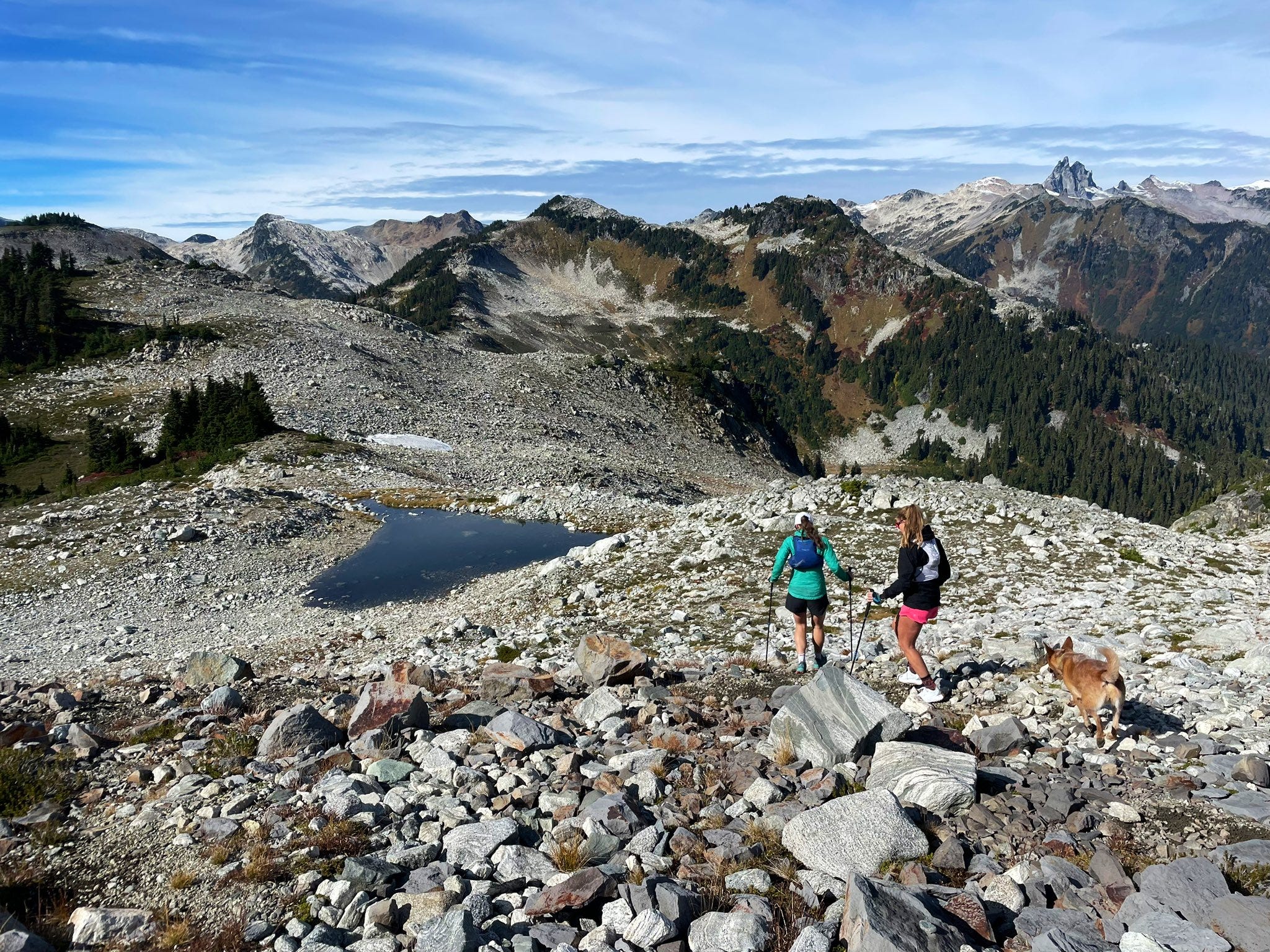
Recent studies in neuroscience suggest that the experience of awe quiets our self-reflective thinking patterns in the DNM that are associated with negative rumination and depression. In other words, our brain snaps out of depressive rumination and self-focused, self-critical thinking patterns when we experience awe. The ego, that self-obsessed, self-promoting, often self-critical fire that burns in all of us, especially in those of us that are highly competitive, takes a little vacation, a rest day, when awe kicks in. We need that self-promoting drive for competition and survival, but we also need it to rest or else it becomes like an overtired toddler having a temper tantrum, catastrophizing small setbacks in a loud, obnoxious way that leaves us run down and burnt out. You know that positive sense of community you feel? Being a small part of a bigger whole that lifts you up and helps you feel a sense of purpose greater than yourself, the one that recharges you and makes you feel human? That’s the quietening of the ego and is connected to your sense of awe.
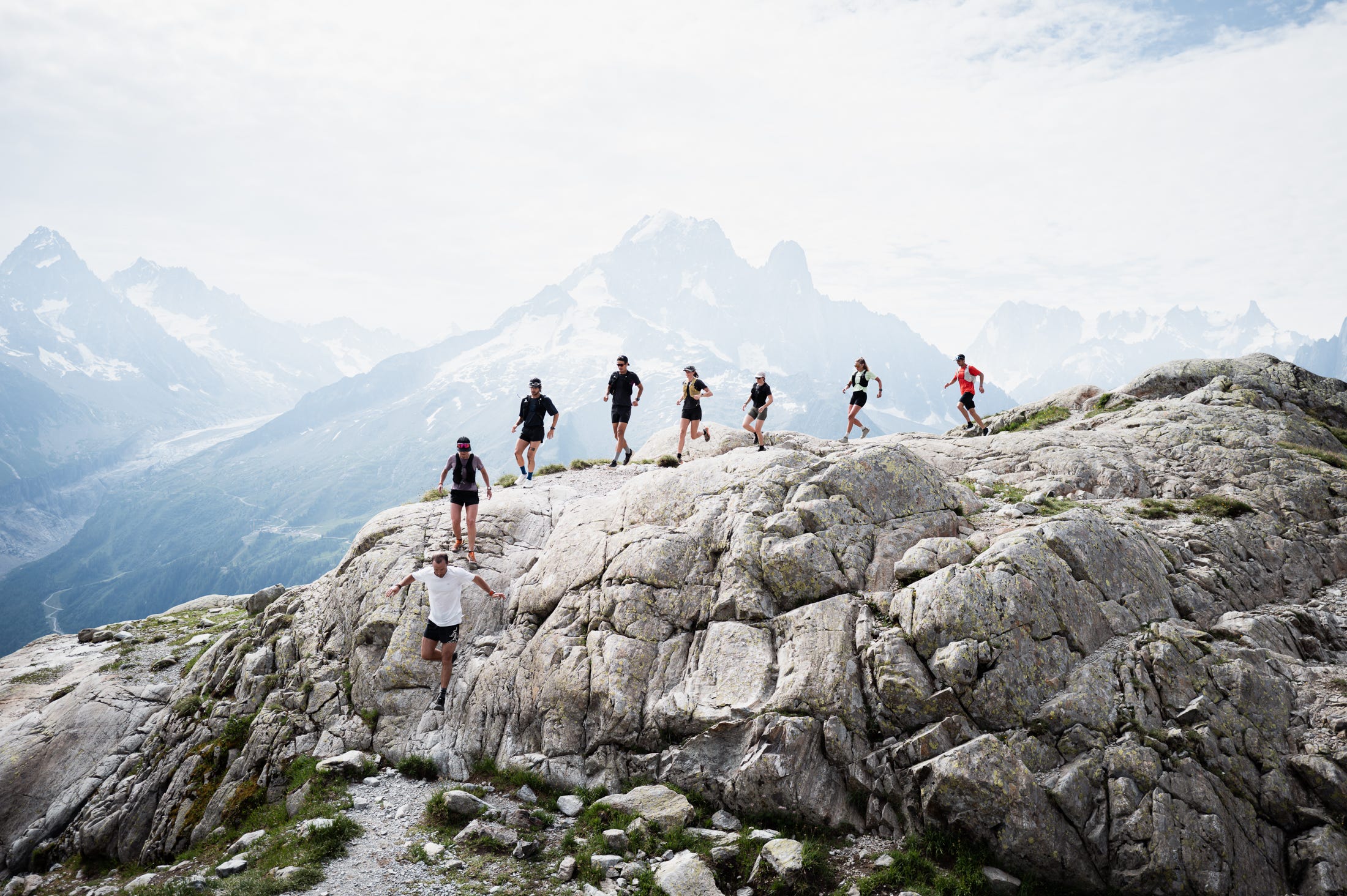
How can we experience more awe?
For those of us that love the outdoors, trail running, mountain sports - I suspect awe plays some role in our motivation, I know it certainly does for me. Nature and geographically vast spaces are a means of experiencing awe that most of us are familiar with. However, I recognize not everyone has access to mountains, the ocean, and the beautiful geography we have here in Squamish, BC, and while nature shows it’s beauty everywhere, here are some other research-based suggestions on where to find awe:
Moral Beauty: Engaging in or witnessing acts of courage, kindness and overcoming hardship. This kind of awe shows itself in community and connection with others. Notice the people around you and opportunities to support them, it will benefit everyone.
Collective Effervescence: Whether it’s dancing, running, swaying, or another form of movement, there is something transcendent about moving in unison with others. You might have experienced it during a group run, a dance class or while at a concert and the music has the whole crowd moving and grooving together.
Wild Awe: Experiencing and exploring the natural world with our senses, like we do as children, leads to awe through soothing our stress response. Getting out for a walk, listening to the sound of the river, the birds chirping, the smell of wet soil after a heavy rainfall, even looking out a window or at a painting of a natural scene can activate our sense of awe.
Musical Awe: Creating and/or listening to music that moves you. Have you ever teared-up, got goosebumps or felt energized by a certain song? Music can move us in a way that creates an experience of deep knowing and feeling, bringing us to a place of catharsis, clarity, and even truth.
Visual Design and Art: Beautiful, visual design (a painting, architecture, a well-designed system or even beautiful, natural patterns and designs in nature) can stir something deep and powerful within us that creates a sense of awe. We are visual creatures and are drawn to what is aesthetically pleasing and moving to us.
Spiritual Awe: For some people this might be found through organized (or disorganized) religion, for others, it is a more intimate and personal experience of a larger, universal force, power, or sense of connectivity. Whether it is an act of formal prayer or something much more abstract that is intertwined with other things like music and nature, a feeling of connection to a greater life force (or spirituality) is a place where many people can experience awe.
Life and Death: We often experience awe when witnessing the beginning and end of life - the wonder in the miracle of birth, growth and life’s early stages, and the the grief, loss, and mystery of life’s final moments. If you’ve been in the presence of these experiences or even discussed them with others who are parents, or those that have suffered and borne witness to loss of life, you’ll know how re-orienting these events can be in shifting perspective and connecting to a sense of what’s bigger in life (and death) and the common thread that connects us all in experiencing both eventually.
Epiphanies: These are those “ah-ha!” moments of clarity, perspective, a re-orientation of the way we see and understand something that fundamentally shifts us and can induce a sense of awe. These moments can feel unexpected, but are also often (but not always) the product of consistency and hard work, that feeling that something “clicks” or fits into a bigger picture in a way that previously felt elusive and disorganized of disconnected.
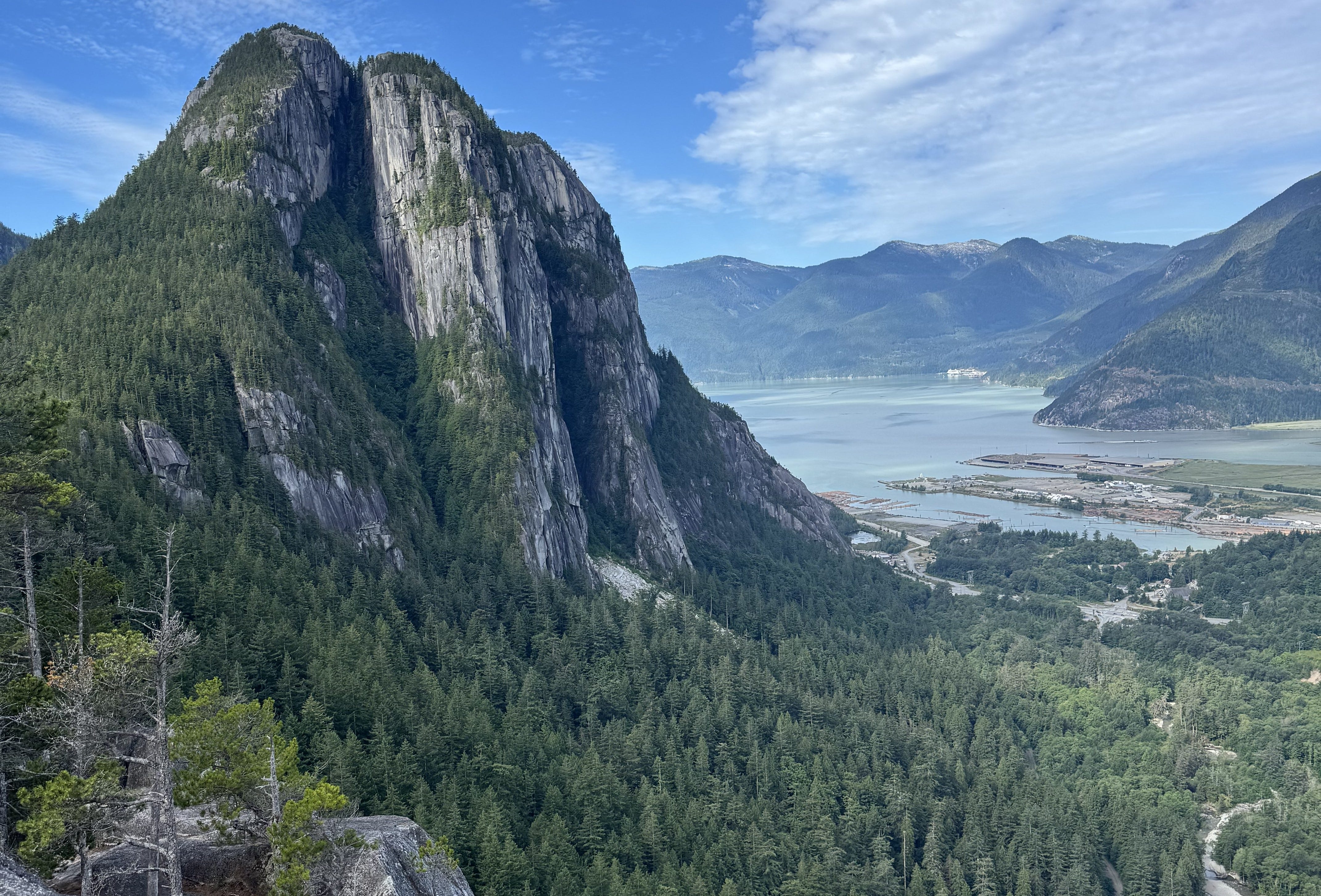
Get Outside (of Yourself)
Where do you experience awe? When was the last time you felt it? The above avenues are not comprehensive pathways to awe and also can overlap with each-other. We live in an increasingly self-centered world that pushes us to focus on self to an extent that can become self-sabotaging instead of self-enhancing. Social media, addictive algorithms, pressures to appear successful and project success, and individualistic, unrealistic, unhealthy cultural norms can start to feel crushing if we let them. Having intention and creating space and time to seek out awe can help to rebalance and reset our perspective and have a profoundly positive effect on our mental and physical health.
Thought provoking read. I felt a sense of awe when I walked on a section of the Great Wall of China, visited Angkor Wat and when I hiked up to the top of HaLing in Canmore with my son.
I'm really enjoying reading your words, Cassie